Germany plans to push a pack to €11.36 by 2030: what the bill says
Published on September 21, 2026
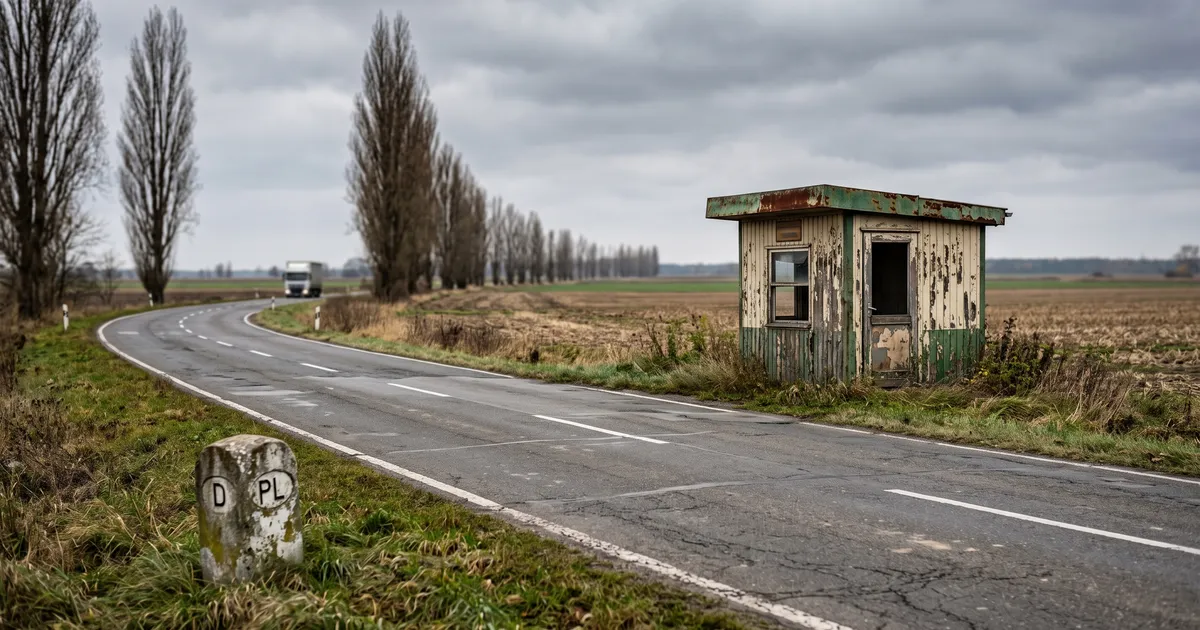
The German government has tabled a bill in the Bundestag amending the tobacco tax. According to figures published by the Bundestag on 8 September 2026, the average price of a pack of 20 cigarettes would rise from €8.77 in 2027 to €11.36 in 2030, through four successive annual increases.
The text has not been adopted, it is still under discussion in September 2026. But it is costed precisely, and it would change Germany's place on the European price map.
What the bill provides
The bill, filed as document 21/7859, schedules an increase on 1 January of each of the four years. The prices below are the ones the government itself uses in its impact assessment, for an average pack across all brands, not for any single brand.
- 2027: €8.77 for a pack of 20
- 2028: €9.56
- 2029: €10.42
- 2030: €11.36
The measure is not limited to cigarettes. From 1 January 2027 the text also raises tax on roll-your-own tobacco, cigars and cigarillos, pipe tobacco, heated tobacco, water-pipe tobacco and tobacco substitutes. On the revenue side, the government expects €756 million in 2027 and €3.589 billion in 2030.
The detail, in cents per cigarette
The bill's schedule is expressed in cents per cigarette, which shows the real effort. The standard rate would go from 13.44 cents in 2027 to 17.41 cents in 2030, via 14.65 then 15.97. On a pack of 20, the fixed part of the tax alone therefore rises from €2.69 to €3.48.
The law in force sets, since 1 January 2026, an excise of €122.80 per 1,000 cigarettes, that is 12.28 cents per unit, plus 19.84% of the retail price. According to our data, a pack of Marlboro costs around €8.65 in Germany in 2026.
The government explicitly invokes public health: the amendment "also serves to protect public health and is in line with the objectives of reducing smoking rates among young people and adults".
Germany would leave the middle ground
That is the real change. Germany today sits in an intermediate position in Europe, clearly cheaper than its western neighbours, clearly dearer than its eastern ones. Here are the prices of a pack of Marlboro in neighbouring countries, to compare with Germany's €8.65.
- Poland: around €5.29
- Austria: around €7.00
- Luxembourg: around €7.70
- Netherlands: around €11.80
- Belgium: around €13.00
- France: around €13.50
A German average pack at €11.36 in 2030 would put the country at today's Dutch level. The two figures do not measure the same thing, one is an average and the other a brand price, but the order of magnitude is enough to see the shift.
Cross-border flows would partly reverse: a Dutch or Belgian buyer would no longer gain by stocking up in Germany, while the gap with Poland would widen further.
The route most affected runs east. Our Germany against Poland comparison sets out the current gap, and Poland itself raised its excise by 20% on 1 January 2026, which narrows the bargain somewhat. Our full country ranking places the other borders.
What could still change
The bill is a government text, not a law. It has to be debated and voted on, and its content may change, the timetable in particular. It also sits in a shifting European context: the revision of the tobacco tax directive, which would raise the European floor from €90 to €215 per 1,000 cigarettes, was rejected by the European Parliament on 17 June 2026 and remains under negotiation in the Council.
In other words, Germany is moving alone on ground the Union has failed to harmonise. If both texts went through, their effects would add up.
Finally, the stated logic is public health policy, and raising prices remains the single most effective lever for reducing smoking. If you are thinking about quitting, our dedicated section reviews the methods and the evidence behind them.
Sources
- Bill figures, prices per year and expected revenue: Bundestag, 8 September 2026
- Bill text and the schedule in cents per cigarette: Drucksache 21/7859
- Excise in force since 1 January 2026: § 2 Tabaksteuergesetz
- European floor and the ongoing revision: European Commission
- Prices by country: cigprices.com data, methodology on our country comparison
Related reading

Tobacco taxes: why the United States taxes half as much as Europe
The American federal floor has been stuck at $1.01 a pack since April 2009, while the European Union requires €1.80 and 60% of the retail price. A figure-by-figure comparison of the two regimes.
Europe wants to shrink the tobacco price gap between countries: what would change for cross-border buyers
A pack of Marlboro costs around €5.29 in Poland and €19.20 in Ireland. Brussels wants to raise the minimum excise duty to €215 per 1,000 cigarettes and 63% of the weighted average price. The file is stalled in Parliament and still under negotiation in the Council.
Spain set to ban smoking on terraces, beaches and parks, what tourists need to know
The Spanish government approved a draft law on 21 July 2026 that would ban smoking on bar terraces, beaches, swimming pools and university campuses. Vaping is included too. Here is what smokers visiting Spain need to know.