Luxembourg raises tobacco taxes on 1 January 2027, but stays far below French prices
By Bryan Schmitt · Published on October 15, 2026
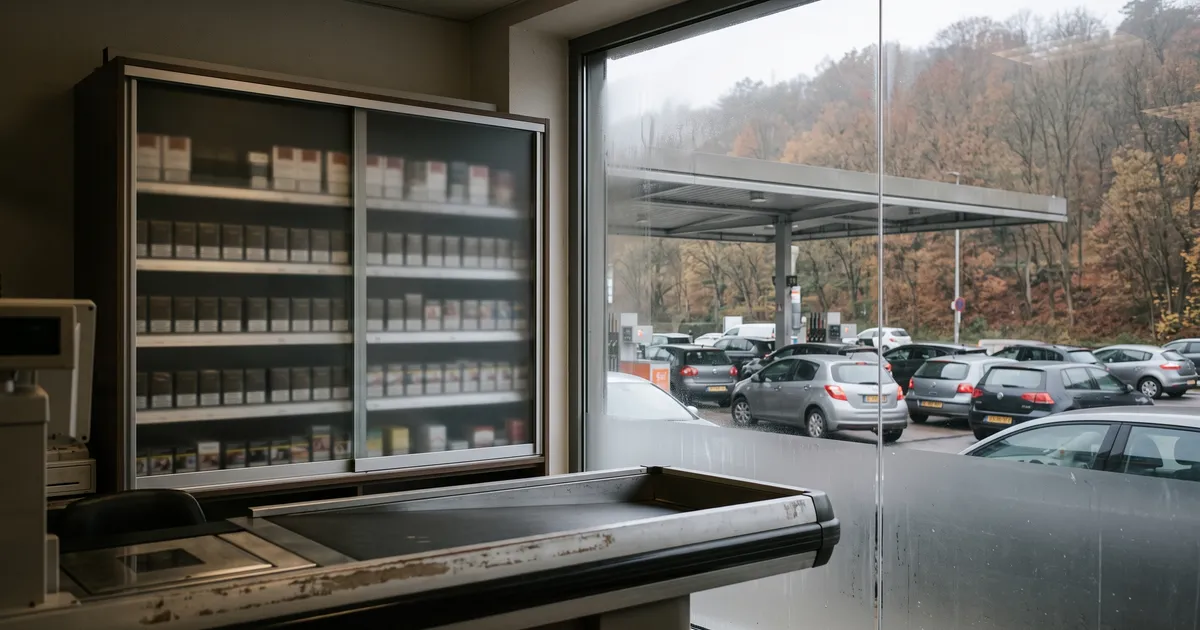
Luxembourg is raising tobacco taxes again. The 2027 state budget bill, tabled in the Chamber of Deputies on 7 October 2026 as bill no. 8800, lifts the minimum excise on cigarettes from €152.80 to €165 per 1,000 cigarettes on 1 January 2027, an increase of 8%. It is the fourth increase since 2024: this floor stood at €132.50 on 1 January 2024, a rise of 24.5% in three years.
For shoppers coming from France, Belgium or Germany, the question is simple: will the trip to the Grand Duchy still be worth it in 2027? Here is what the official text says, what it changes for a pack, and why Luxembourg's own budget reports falling sales in 2026.
What the 2027 budget bill provides
Bill no. 8800 reproduces the table of rates drawn up by the Customs and Excise Administration (ADA). On 1 January 2027, it provides for:
- Cigarettes: minimum excise from €152.80 to €165 per 1,000 cigarettes, fixed component from €23.39 to €26.79, proportional component from 48.14% to 48.50% of the retail price.
- Rolling tobacco: minimum excise from €77.90 to €85 per kilo (+9.1%), fixed component from €26.40 to €29 per kilo.
- Cigars and cigarillos: proportional component from 10% to 12%, minimum from €23.50 to €34 per 1,000 pieces.
- VAT: unchanged at 17%.
The effective rates are then set by grand-ducal regulation, within the ceilings of the law of 17 December 2010, which the same bill raises. Until the Chamber votes the budget, these figures remain those of a draft.
How much more per pack?
The budget sets rates, not prices: manufacturers decide the retail price. By our calculation, if a manufacturer passes on the increase while keeping the same margin, a pack of Marlboro sold for €7.70 in 2026 would rise to about €7.96, or 26 cents more. For the cheapest packs, those subject to the minimum excise, the increase reaches about 29 cents, VAT included.
For rolling tobacco, the business daily Paperjam puts the increase at about 50 cents per 50-gram pouch. Cigars, heated tobacco and e-cigarette liquids are going up too.
Luxembourg stays cheaper than its neighbours
Even after the increase, the gap remains wide. In our database, Marlboro costs €13.50 in France, €13 in Belgium and €8.65 in Germany in 2026. At about €7.96, the Luxembourg pack would still be €5.54 cheaper than in France, a gap of more than €55 per carton of 10 packs. With Germany the gap is already small, and Berlin is preparing its own increases from 2027 to 2030.
The budget bill itself attributes the rise in 2025 sales to “the price differential that remains favourable to Luxembourg compared with neighbouring countries”.
Between two EU countries, tobacco bought for personal use moves freely, with an indicative threshold of 800 cigarettes per person. Above that, customs may suspect a commercial purchase: see our guide to customs rules.
Exceptional revenue in 2025, a decline in 2026
Tobacco weighs heavily in the Grand Duchy's finances. Tobacco excise brought in €1.523 billion in 2025, €235 million more than budgeted, thanks to the January 2025 rate increase and growing sales volumes. The administration estimates €1.547 billion for 2026 and forecasts €1.612 billion in 2027, including the increase.
Yet sales are falling in 2026. Industry operators had put more cigarettes on the market at the end of 2025, at the old prices, which weighed on the first quarter. The budget bill gives four other explanations:
- more intensive checks in neighbouring countries, which make it risky to transport large quantities;
- smuggling and counterfeiting in neighbouring countries, with cigarettes coming from cheaper countries such as Bulgaria;
- a 2025 judged exceptional, not to be taken as a benchmark;
- higher petrol and diesel prices, which make the trip less worthwhile for those who come to buy tobacco.
Further pressure comes from the European Union. The revision of the tobacco excise directive, which would raise the minimums, has not been concluded and continues under the Irish presidency (our analysis of the directive). The budget also mentions the proposed new EU own resource based on tobacco excise: calculated with a 15% call rate on the quantities of tobacco released for consumption, it would mean an additional contribution from Luxembourg.
Price as a public health lever
These increases also serve a health goal: the budget bill recalls that the European Commission is aiming for a “tobacco-free generation” by 2040, with fewer than 5% of people smoking. Price is one of the most studied levers for reducing smoking (what the studies show). To quit, our guides list the recognised methods; in France, Tabac Info Service answers on 39 89.
Sources
- Bill no. 8800 on the 2027 state budget, tabling document of 7 October 2026 (in French): ADA excise rates from 2024 to 2027, revenue from 2025 to 2030 and reasons for the fall in sales (pages 79 to 81), article 6 on excise ceilings (pages 154 and 155).
- Parliamentary file no. 8800, Chamber of Deputies of Luxembourg
- Paperjam, “Le tabac doit rapporter 64 millions d'euros de plus”, 15 October 2026: estimated increase for rolling tobacco.
- 2026 pack prices in France, Belgium, Germany and Luxembourg: our database.
Related reading
Australia: a €25 pack of cigarettes, and tobacco revenue down by three quarters
In Australia, a pack of 20 costs €25 to €42 and the duty alone exceeds €19. Yet tobacco revenue has fallen fourfold since 2021: the black market now dominates.
Netherlands: more than half of smokers buy tobacco abroad
Dutch tobacco excise has doubled since 2020, yet its revenue fell 15% in 2025: more than half of smokers now buy abroad. Prices compared and customs rules.

Tobacco prices on 1 January 2027: what changes in Europe, country by country
Increases passed in Italy and Poland, a German bill, rates frozen in the Netherlands, Portugal and Spain: what laws and budgets have in store for tobacco prices in 2027.