Nicotine replacement therapy (patch, gum, spray): how it works and how effective it is
By Bryan Schmitt · Published on June 28, 2026
⚕️ General information, not a substitute for medical advice. For personalised support, talk to your doctor or pharmacist. National quitlines offer free help.
Quitting smoking often means coping with withdrawal, which can be hard to bear: irritability, intense cravings, low mood. Nicotine replacement therapy (NRT) is among the most thoroughly studied aids for getting through this stage. This guide explains, in a neutral and sourced way, how it works, which forms exist and what the evidence says about its effectiveness.
The principle: nicotine without combustion
In a cigarette, it is not the nicotine that kills, but the thousands of substances produced by the combustion of tobacco: tar, carbon monoxide, carcinogenic particles. Nicotine is mainly responsible for dependence. The principle of NRT is therefore simple: deliver nicotine to the body without smoke, without tar and without combustion, at a controlled dose, in order to ease withdrawal and break the habit of smoking.
By releasing nicotine more slowly and steadily than a cigarette, these products reduce withdrawal symptoms while letting the person gradually free themselves from dependence. According to the World Health Organization (WHO) and France's Haute Autorité de santé (HAS), they are among the first-line treatments to support quitting.
The available forms
NRT falls into two broad, often complementary families: slow-release forms and fast-acting forms.
- Patch : stuck onto the skin, it releases nicotine slowly and continuously over 16 or 24 hours. It provides a steady baseline that prevents cravings throughout the day.
- Chewing gum : releases nicotine through the lining of the mouth within minutes, useful for a sudden craving.
- Lozenge : same principle as gum, discreet, for those who dislike chewing.
- Mouth spray : sprayed into the mouth, it acts among the fastest, within a few dozen seconds.
- Inhalator : mimics the hand-to-mouth gesture of a cigarette while delivering nicotine, which can help on a behavioural level.
Proven effectiveness
Nicotine replacement therapy is among the best-documented quitting aids. According to Cochrane reviews, which pool the available clinical trials, it increases the chances of quitting by around 50 to 60 % compared with a placebo. In other words, with equal motivation, a person using NRT has clearly better odds of succeeding than someone who does not.
This effect is seen for each form taken on its own. These are not miracle cures: success also depends on motivation, support and the length of treatment. But the data converge: according to Cochrane, the WHO and Santé publique France, the benefit is real and reproducible.
According to Cochrane reviews, nicotine replacement therapy increases the chances of quitting smoking by around 50 to 60 % compared with a placebo.
The winning combination
An important lesson from the Cochrane work concerns combining two forms. Pairing a patch (which keeps a stable baseline level of nicotine) with a fast-acting form such as gum or spray (to deal with occasional cravings) proves more effective than using a single form.
This strategy covers both the ongoing need and the spikes in craving triggered by coffee, stress or a situation associated with smoking. The patch works in the background, while the fast-acting form steps in at the precise moment of the craving. It is now a recommended approach for highly dependent smokers.
Benefits and strengths
- Available over the counter : sold in pharmacies without a prescription in most countries, and often reimbursable in France when prescribed.
- Well tolerated : their safety profile is well established, including over long periods of use.
- Without the dangers of combustion : no tar, no carbon monoxide, no smoke.
- Adjustable dosing : the amount of nicotine is matched to dependence, then gradually reduced.
- Flexible use : several forms can be combined depending on the time of day.
Drawbacks and side effects
NRT is generally well tolerated, but it is not free of side effects, which are usually mild and temporary.
- Patch : skin irritation or redness where the patch is applied; it is advisable to change the application site each day. A patch worn overnight may cause vivid dreams.
- Gum and lozenge : irritation of the mouth or throat, hiccups, nausea, sometimes stomach discomfort if the gum is chewed too quickly.
- Spray and inhalator : tingling or irritation of the mouth and throat at the start of use.
Most of these issues fade with good technique and an appropriate dose. It is important to follow the indicated doses carefully and to seek advice if in doubt.
Tips for use
To maximise the chances of success, a few principles are agreed upon by the HAS and Santé publique France.
- Choose the right dose according to the level of dependence: the sooner you smoke after waking and the higher the consumption, the higher the starting dose should be.
- Keep going long enough : treatment often lasts 8 to 12 weeks, sometimes more; stopping too early exposes you to relapse.
- Combine it with support : psychological support, a helpline or a healthcare professional clearly boost effectiveness.
- Reduce gradually rather than stopping the NRT abruptly at the end.
Important disclaimer
This article provides general information and is in no way a substitute for personalised medical advice. Before starting nicotine replacement therapy, especially in case of pregnancy, breastfeeding, cardiovascular disease or ongoing treatment, it is recommended to seek advice from a doctor or pharmacist. In France, the public service Tabac Info Service (39 89) offers free, personalised support.
Related reading
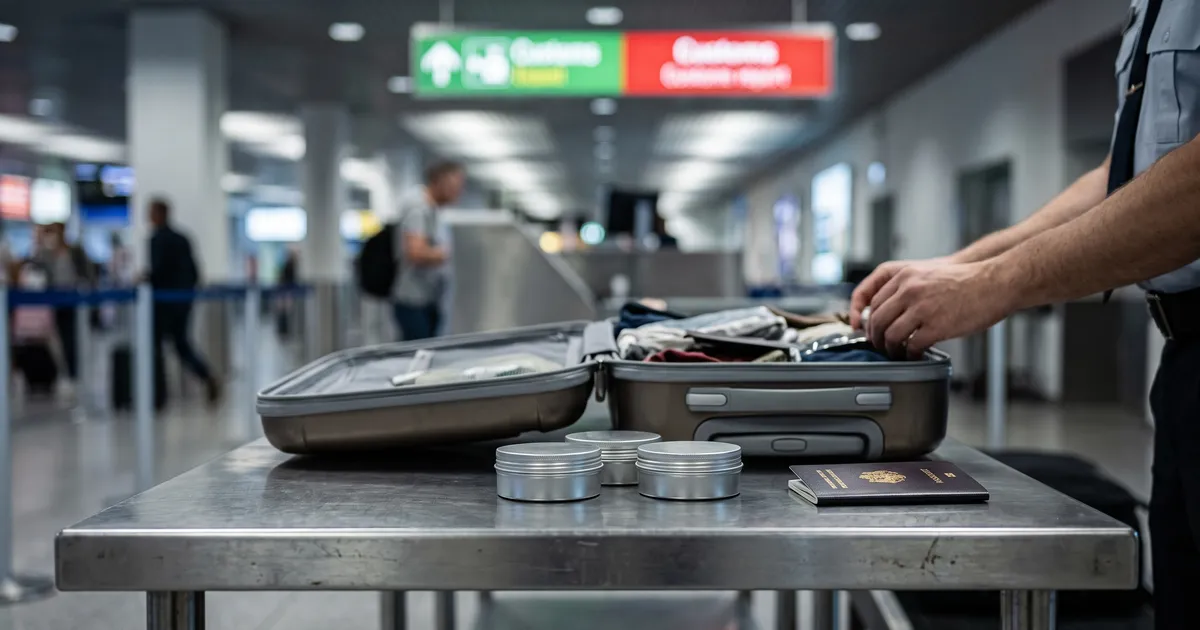
Travelling with nicotine pouches: what customs actually says, country by country
There is no European allowance for nicotine pouches. The law of the country you enter is what applies, and where they are banned the permitted quantity is zero.
Rolling Tobacco vs Packaged Cigarettes: The Price Gap Explained
Rolling your own cigarettes has long cost less than buying a pack. But where does that gap come from, and will it last? We break down the tax and the real cost per cigarette.
Getting Support to Quit Smoking: Counselling, CBT, Helplines and Apps
Brief advice from your doctor, specialist counselling, CBT, free helplines and apps: why support markedly raises your chances of quitting, especially combined with treatment.