How the world taxes tobacco: comparing models (Sweden, Australia, EU)
By Bryan Schmitt · Published on June 28, 2026
The price of a pack of cigarettes is never accidental: above all, it reflects public policy choices. From one country to another, taxes often make up 70 to 80 % of the price in the European Union, but the methods used to reach that level vary widely. Some states rely on deliberately deterrent prices, others on harm reduction, and others keep taxation low. This guide offers a factual comparison of the main tobacco taxation models around the world.
The basic fiscal levers
Before comparing countries, it helps to understand the tools. Four main levers make up tobacco taxation, and most states combine them.
- Specific excise: a fixed amount charged per unit (per pack or per thousand cigarettes), independent of the retail price. It hits cheap and premium brands in the same way.
- Ad valorem (proportional) excise: a percentage applied to the retail price. The more expensive the product, the higher the tax in absolute terms.
- Minimum pricing: a legal floor price below which a pack cannot be sold, limiting the effect of very cheap brands.
- VAT: value-added tax, applied as for any other product, which is added on top of the excises.
The balance between specific and ad valorem excise is not neutral: a strong specific component narrows the price gap between brands and limits smokers shifting towards the cheapest products.
The Nordic and Swedish model
Sweden has one of the lowest smoking rates in Europe, with fewer than 5 % daily smokers. Its distinctive feature lies in the strong presence of snus, a locally permitted oral tobacco, and more recently nicotine pouches. Rather than relying only on deterring cigarette use through price, the country has seen part of its consumers shift towards these products.
This model illustrates a so-called harm reduction approach: the idea that products perceived as less harmful than combustible cigarettes can capture some smokers. The approach is debated and cannot be transposed everywhere, as snus remains banned from sale in most other European Union countries.
The Australian model
Australia chose the opposite path: prices deliberately set among the highest in the world, through repeated and scheduled excise increases. The stated aim is clear, to make tobacco financially discouraging, especially for younger people.
The country was also a pioneer of [plain packaging](/blog/paquet-neutre-impact-prix-ventes) in 2012, the first in the world to impose standardised packs with no logo or brand colour, covered with health warnings. Many countries have since drawn on its example. Australia therefore combines high prices with visual discouragement, an arrangement often cited as a benchmark by health authorities.
The European Union model
The European Union does not set a single price but proceeds through harmonisation: it imposes a minimum excise that each member state must respect, while leaving them free to go further. This explains the wide gaps, from an affordable pack in the east of the Union to the United Kingdom, outside the EU, which remains the most expensive in Europe with a pack at around 17 €.
A major revision, often referred to as "TPD3", is expected around 2028-2030. It could broaden the fiscal and regulatory framework to new products, in particular vaping and nicotine pouches, which until now have been treated very unevenly from one country to another.
Countries with low taxation
At the other end, some countries keep tobacco taxation low. The reasons are varied and often combined.
- The economic weight of the sector, when tobacco growing or processing employs people locally and matters for exports.
- Fear of smuggling and the parallel market, which an overly rapid price rise could fuel.
- Purchasing-power considerations, as tobacco remains an everyday consumer product for part of the population.
- A lower political priority given to fighting smoking compared with other issues.
These choices explain the wide price differences seen between neighbouring regions, sometimes within the same continent.
The lessons
Comparing the models reveals a robust trend: a high price is the most effective lever for reducing smoking, but it works better alongside complementary measures. Plain packaging, advertising bans, smoke-free spaces, quitting support and health information all reinforce the effect of taxation.
The countries with the best results never rely on a single tool: it is the combination of a deterrent price and a set of public health measures that produces the most lasting effect.
No model is universal. Sweden, Australia and the European Union illustrate distinct trajectories, shaped by their history, economy and health priorities. Yet all converge on the same conclusion: taxation remains the central instrument of public tobacco policy.
Related reading
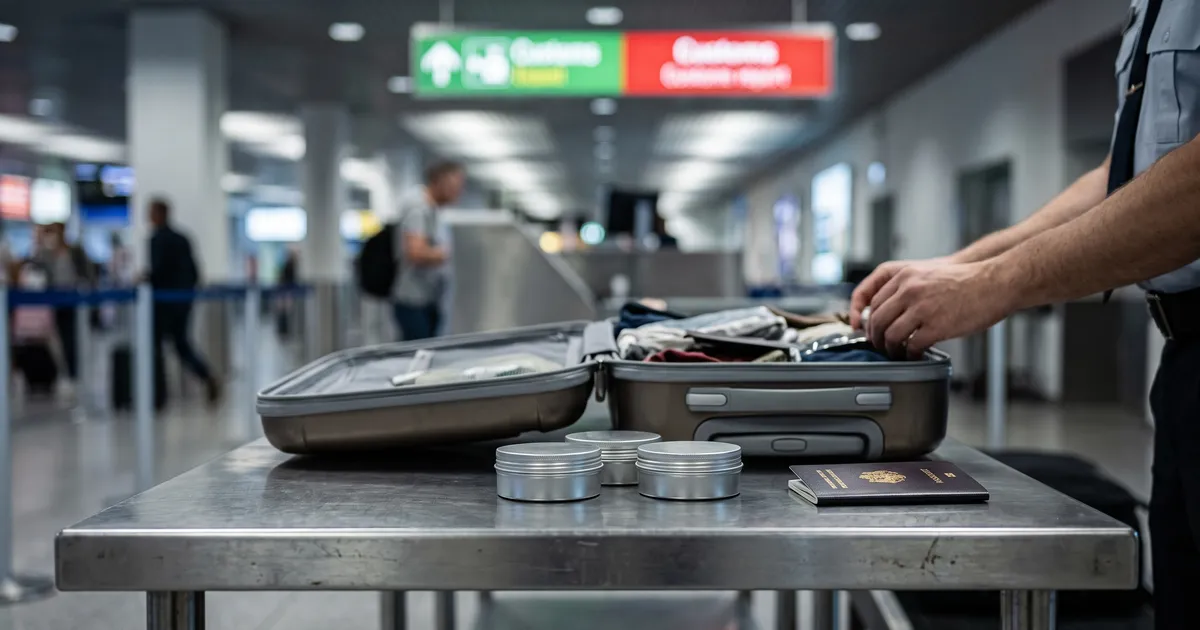
Travelling with nicotine pouches: what customs actually says, country by country
There is no European allowance for nicotine pouches. The law of the country you enter is what applies, and where they are banned the permitted quantity is zero.
Rolling Tobacco vs Packaged Cigarettes: The Price Gap Explained
Rolling your own cigarettes has long cost less than buying a pack. But where does that gap come from, and will it last? We break down the tax and the real cost per cigarette.
Nicotine replacement therapy (patch, gum, spray): how it works and how effective it is
Patches, gum, lozenges, sprays or inhalers: a factual overview of nicotine replacement therapy, how it works and its proven effectiveness for quitting smoking.